
Educational Games and Edutainment Development
Eurisko X develops educational games and edutainment for schools, publishers, museums, edutainment venues and the organisations that sponsor learning: curriculum-linked games, classroom and museum experiences, and gamification for learning platforms.
Our studio delivered Hafila, an Arabic learning game for children, with Ana Aqra Association, Energo for Saudi Aramco and the heritage game Sinyar Diving for the AMAN center in Qatar, and publishes its own educational titles, Animal Discovery and the VR experiences Educational Space VR and Animal Discovery VR. Each one started from a learning goal and ended as a game people chose to play.
Learning that has to be chosen over every other app.
A child with a tablet has a choice, and an educational game is competing with every entertainment title on the same screen. It wins only when the fun is real and the learning is carried by the play itself: caring for an animal teaches what it eats, managing a house teaches how energy is used.
That takes a game studio and a learning process working together. Eurisko X writes the learning goals with your teachers, curators or subject experts, turns each goal into a mechanic, produces the art, voice and Arabic and English content, and builds the reporting that shows what players learned.
How we help
For schools, publishers, museums, venues and sponsors of learning.
Educational games for children
Curriculum-linked and curiosity-led games for early years and school ages, with levels, characters and worlds that make practice feel like play.
Classroom experiences
Games designed for shared tablets and short lessons, working offline, with a teacher view of what each group completed.
Museum and venue experiences
Interactive games and installations for exhibitions, science centres and edutainment venues, with AR and VR formats scoped per venue.
Learning gamification
Levels, progress maps, quests, badges and certificates added to a learning platform you already run.
Awareness and heritage games
Games that turn a public message or a tradition into decisions the player makes and remembers.
Reporting for sponsors
Dashboards of completion, attempts and return visits, so a school, a ministry or a donor can see the result of the programme.
The learning goal becomes the game mechanic.
The usual failure in educational games is a quiz with points: questions on a screen, a score at the end and nothing learned that was not already known. We work the other way round. Each learning goal is written down first, then mapped to a mechanic in which the player has to use the idea to progress: sorting, building, choosing, managing a resource, caring for a character.
Teachers, curriculum specialists or curators review the design before art is produced and again when the first playable version exists. The game then records which challenges a player completes and where players stop, and reports it to the school, the sponsor or the venue without interrupting play with a test.
Built for shared tablets, short sessions and weak Wi-Fi.
A game for a classroom or a museum lives under different conditions from a game at home: one device shared by several children, a visit that lasts minutes, a network that cannot be trusted. We design for those conditions from the concept, with offline-first builds, quick restarts between groups and content sized for a single visit.
Energo, built for Saudi Aramco, runs locally and offline. Sinyar Diving, built for the AMAN center in Qatar, plays a live role during annual diving events. For schools, science centres and museums, our own Educational Space VR takes users from Earth to the Moon and every planet of the Solar System in realistic 3D, and Animal Discovery VR, the VR version of our animal game, places children inside the habitats. Both are Eurisko’s own titles; for exhibits we also build AR layers, scoped with each venue.
Safe for children, chosen by families.
Games for children carry rules other apps do not. Apple’s App Review Guidelines state that apps in the Kids Category should not include third-party analytics or third-party advertising, and Google Play applies its Families Policy to apps whose audience includes children. We design to both from the first concept.
Animal Discovery is one of Eurisko’s own titles: an educational 3D game for players aged three and up, set in four animal worlds (farm, forest, savanna and pre-historic). Released in four languages on iOS and Android, it passed 100,000 downloads on Android. The same mechanics (levels, progress maps, badges) can be added to a learning platform you already run.
The practices behind the sector.
Serious Games and Edutainment
Educational, awareness, heritage and training games that teach through play.
Game Development
Unity & Unreal games, gamification and playable brand experiences.
Gamification Services
Missions, streaks, tiers, leaderboards and reward economies for the app you already have.
VR Training and Simulation
Immersive VR training and simulations where staff practise risky, hard-to-stage tasks safely.
Metaverse & Mixed Reality Development
Augmented reality, VR training and immersive 3D experiences.
Case studies from this industry.
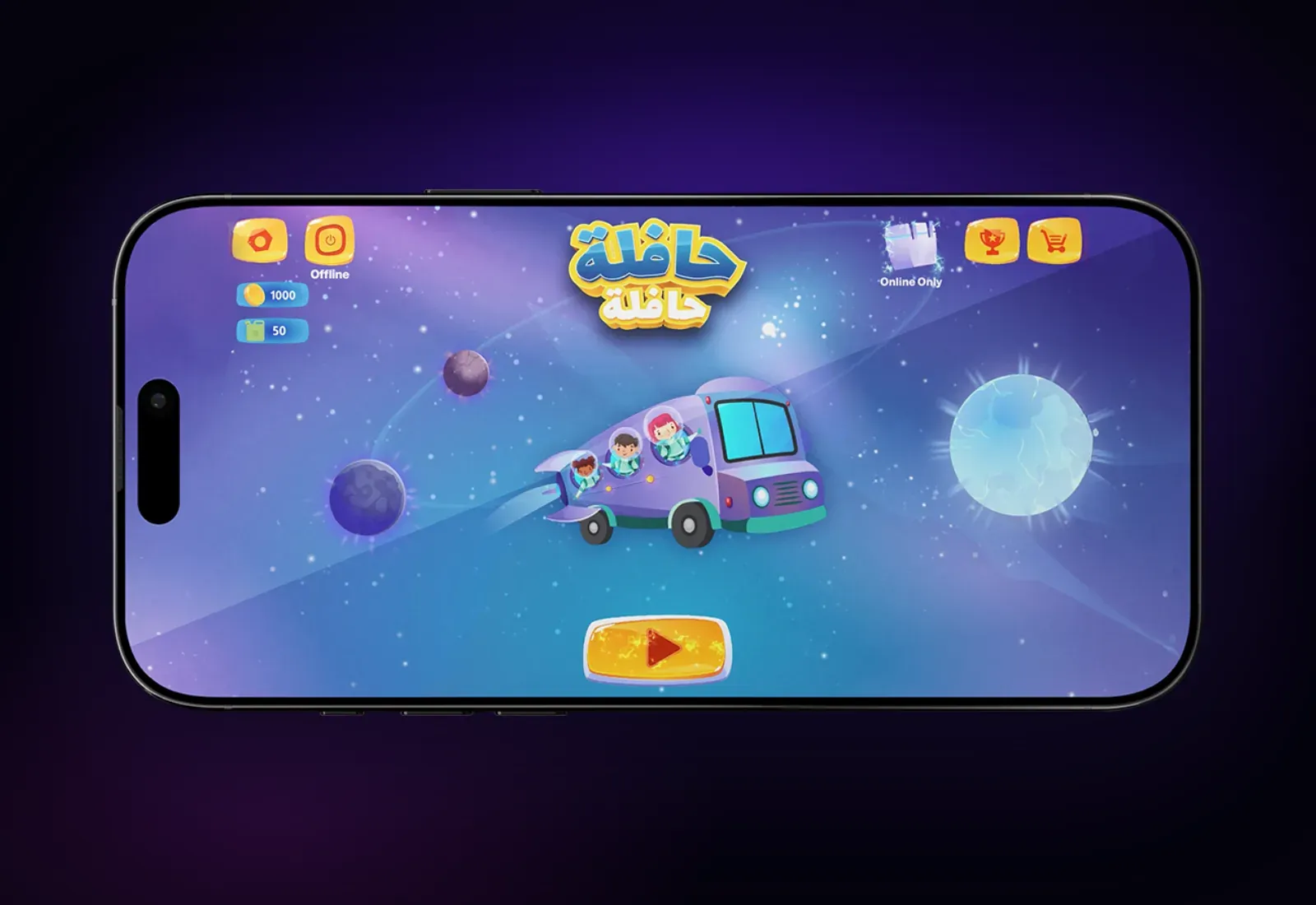
Hafila
Ana Aqra AssociationAn Arabic educational game for children, developed with the education specialists of Ana Aqra Association.
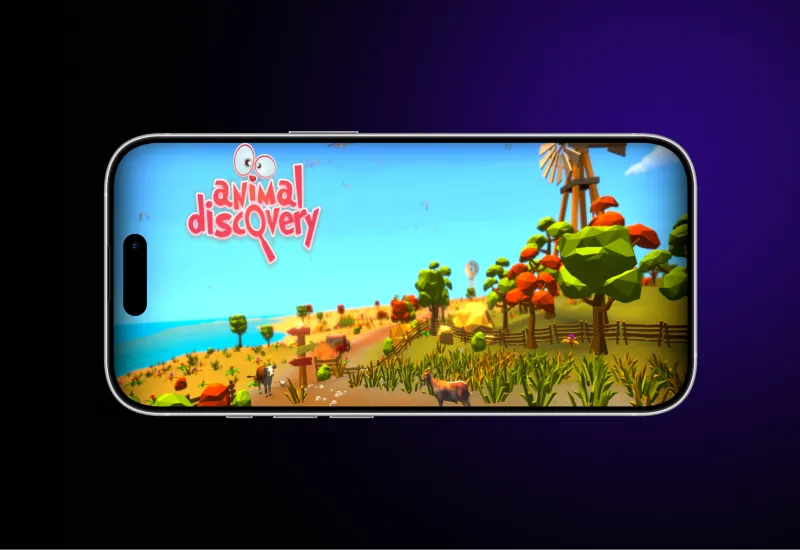
Animal Discovery
Eurisko (in-house)An advanced educational 3D game exploring animals across four interactive worlds.
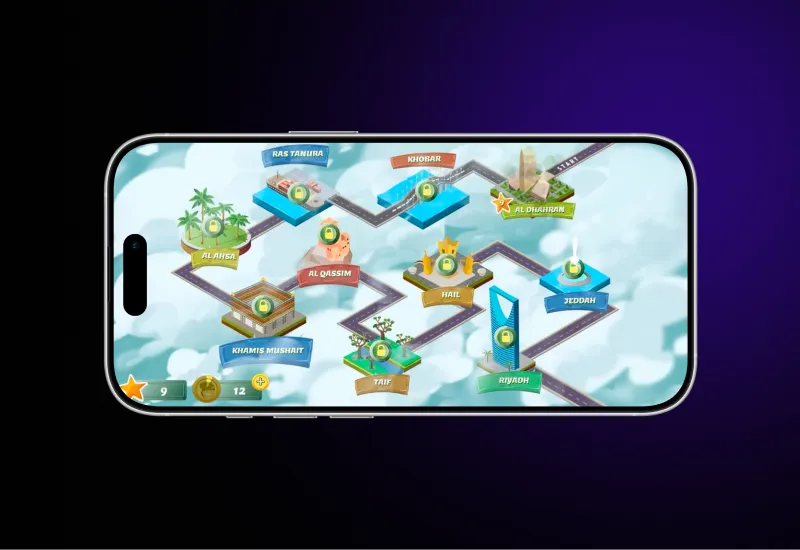
Energo
AramcoA multi-game platform teaching kids how to save energy, for Saudi Aramco.
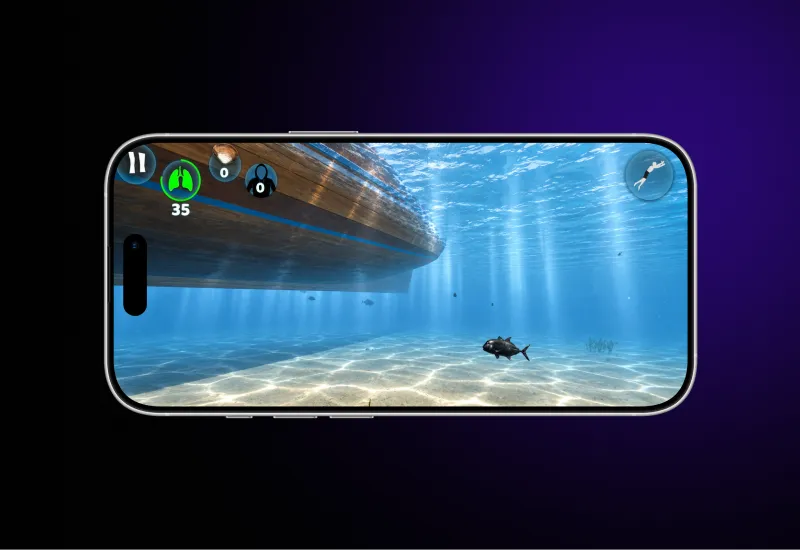
Sinyar Diving
AMAN (Qatar)An interactive 3D game reviving Qatari pearl-diving heritage, for the AMAN center.
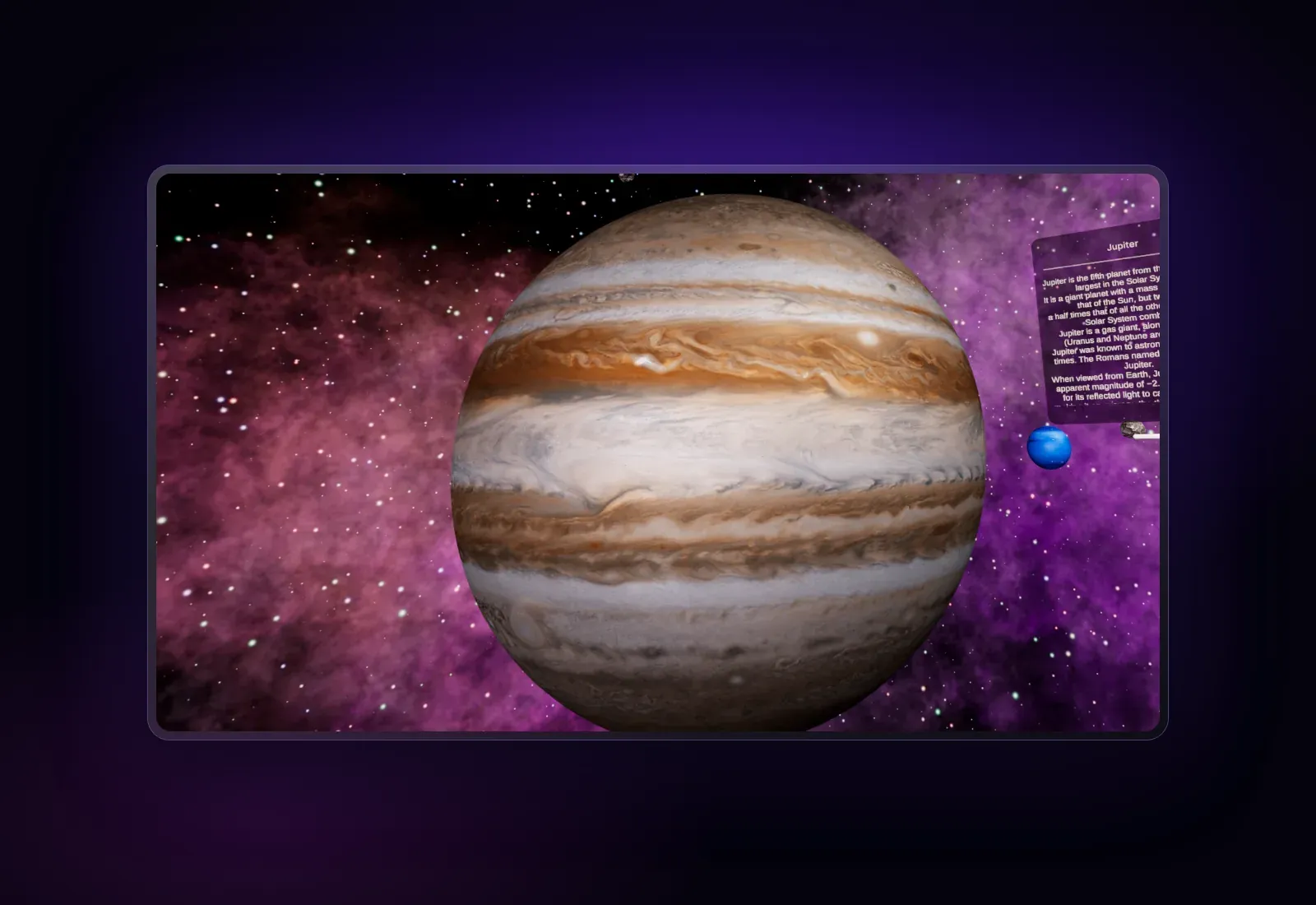
Educational Space VR
Eurisko (in-house)An educational VR journey from Earth to the Moon and every planet in the Solar System, in realistic 3D.
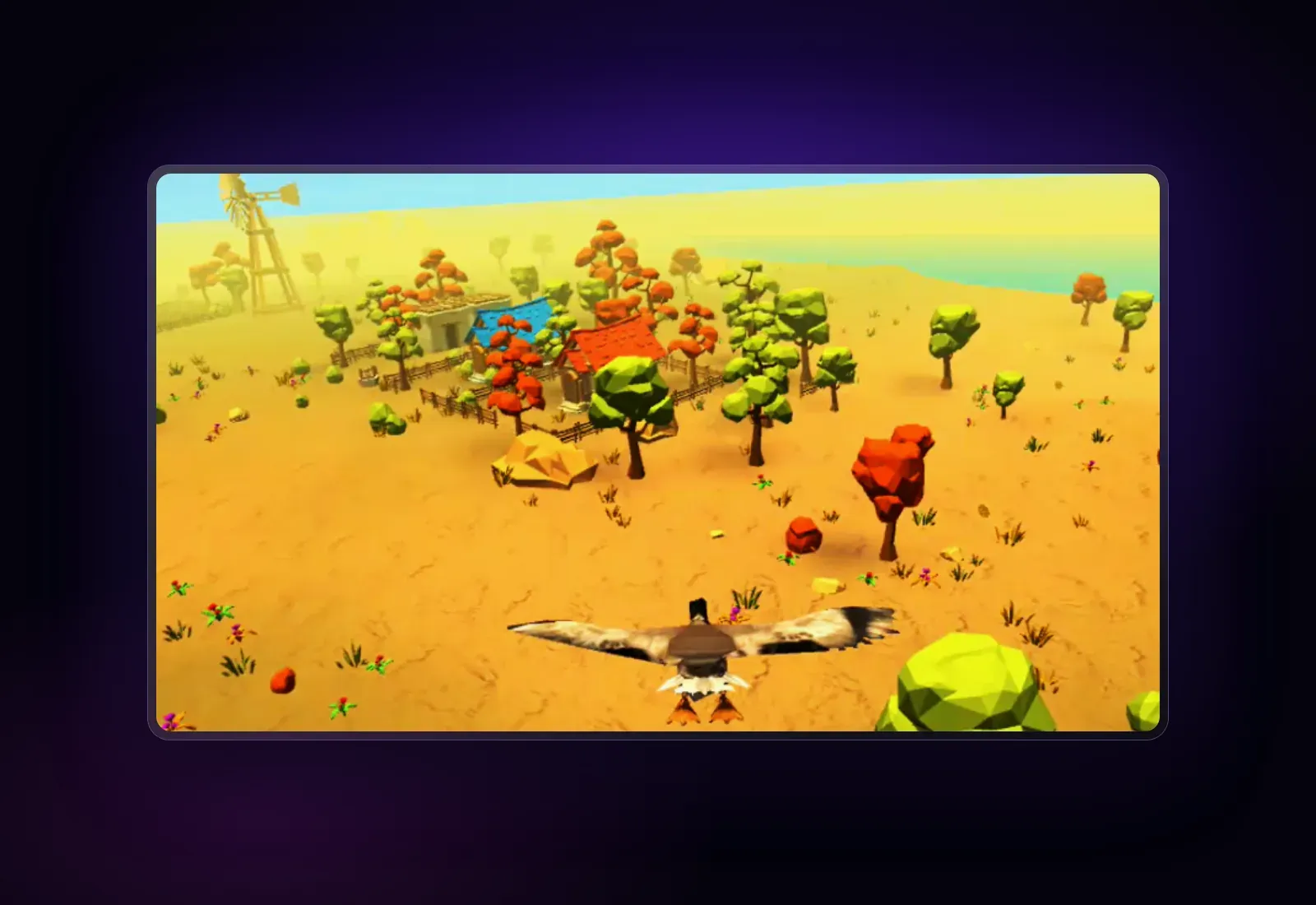
Animal Discovery VR
Eurisko (in-house)The VR version of Eurisko’s educational mobile game, letting children aged three and up discover animals inside their habitats.
Frequently asked questions.
Who develops educational games in Arabic in the Middle East?
Eurisko X, the studio of Eurisko, designs and develops educational games and edutainment in Arabic and English. Published work includes Hafila, the Arabic learning game for children built with Ana Aqra Association, Energo, the energy-saving game for children built for Saudi Aramco, Sinyar Diving, the pearl-diving heritage game for the AMAN center in Qatar, and Animal Discovery, the studio’s own title with more than 100,000 downloads on Android.
What makes an educational game effective?
The learning goal has to be the mechanic. If a player can finish the game without using the idea being taught, the game teaches nothing. We write each goal first, map it to an action the player must perform to progress, have your subject experts review it, and record completion and attempts so the result can be shown.
Can the game be used in a classroom, a museum or an edutainment venue?
Yes. We plan for shared tablets, short sessions and unreliable connectivity, and many of our serious games run offline first. Energo runs locally and offline, and Sinyar Diving plays a live role during annual diving events. For VR, our own titles Educational Space VR and Animal Discovery VR show the format; AR and VR for a specific exhibit are scoped with the venue.
How do you keep a children’s game safe and accepted by the app stores?
We design to the store rules from the first concept. Apple’s Kids Category rules say such apps should not include third-party analytics or third-party advertising and must keep links and purchases behind a parental gate. Google Play applies its Families Policy to apps whose audience includes children. We also minimise the data a game collects.
Can you add gamification to a learning platform we already use?
Yes. Levels, progress maps, quests, badges and certificates can be integrated into an existing learning app or portal through its APIs, with analytics that show whether learners finish more of the course. A complete educational game is the better choice when learners need to practise an idea inside a story or a simulation.
Building in this industry?
Tell us about your project. We’ll bring the domain scars, the reference architectures and an honest read on scope.
Start a project →